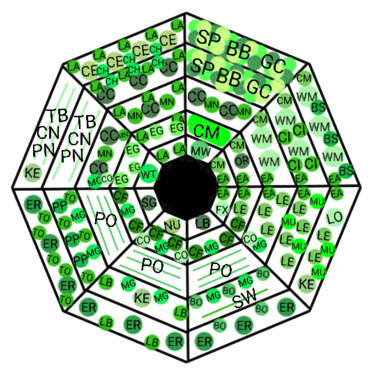
What is Permaculture?
Permaculture is a holistic design philosophy and sustainable land management system that aims to create regenerative, self-sufficient ecosystems. The term was first coined in the 1970s by Australian researchers Bill Mollison and David Holmgren, combining the words “permanent” and “agriculture.” Today, permaculture design extends far beyond organic farming to include sustainable living, ecological design, regenerative agriculture, and community resilience.
How can I use permaculture principles in my garden design?
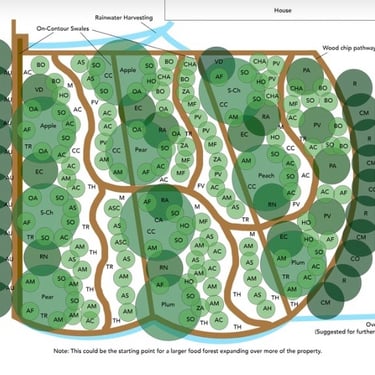
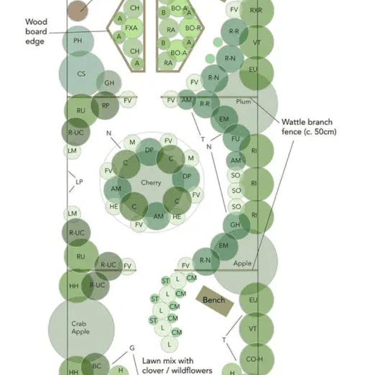
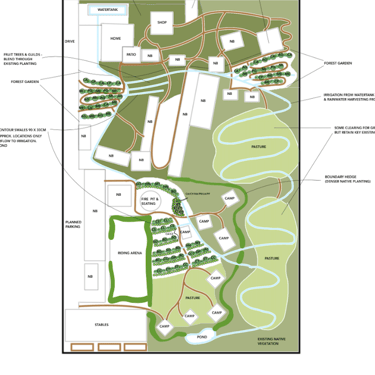
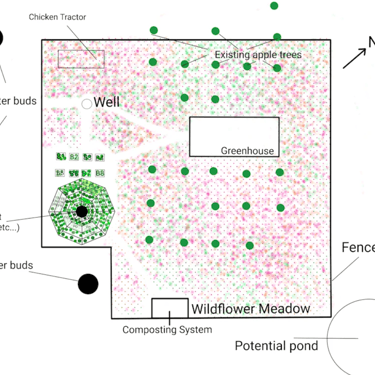
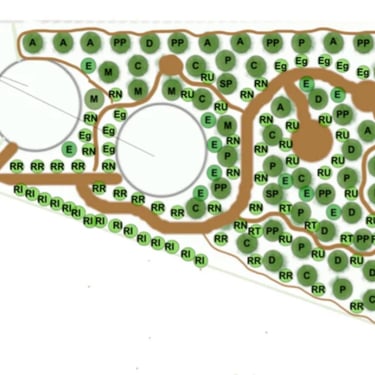
Permaculture is widely used in sustainable gardening, homesteading, urban farming, and eco-village development. Sustainable landscaping businesses like ours integrate permaculture principles into ecological design, using techniques such as companion planting, food forests, rainwater harvesting systems, composting, mulching, and natural building help create low-maintenance, high-yield systems.
What are the benefits of permaculture?
Unlike conventional agriculture, regenerative permaculture systems emphasise biodiversity, soil health, and water conservation. Techniques like composting, mulching, cover cropping, and no-dig gardening build organic matter, increase microbial life, and reduce erosion.
Permaculture systems also enhance biodiversity by integrating diverse crops, native plants, pollinator habitats, and food forests. Unlike monoculture farming, sustainable permaculture design encourages balanced ecosystems that naturally manage pests and diseases.
Our Guide to Permaculture Principles